 US Dollars


A good pair of jeans carries stories. Scuffed hems from dusty arenas, creases from long drives down county roads, and a faded knee or two that remind you of hard-won days.
Whether you’re saddling up before sunrise or stepping into a city bar after work, the right fit sets the tone. Use this guide to the different jeans fits for men and feel confident, comfortable, and ready for anything, from ranch chores to Saturday dances!
Straight-Leg Jeans
Everyone needs straight-leg denim in rotation. This fit follows the line of your leg from thigh to ankle, giving you structure without the squeeze. Riders love how easily the cuff slides over a boot, and carpenters and ranch hands appreciate that there’s no extra fabric to snag on a fence.
In the middle of that dependable silhouette, straight-leg stands out for its balance of movement and clean lines. Look for sturdy denim in the 12–14 oz range for daily wear; it softens with time but keeps its shape throughout its life.
Bootcut Jeans
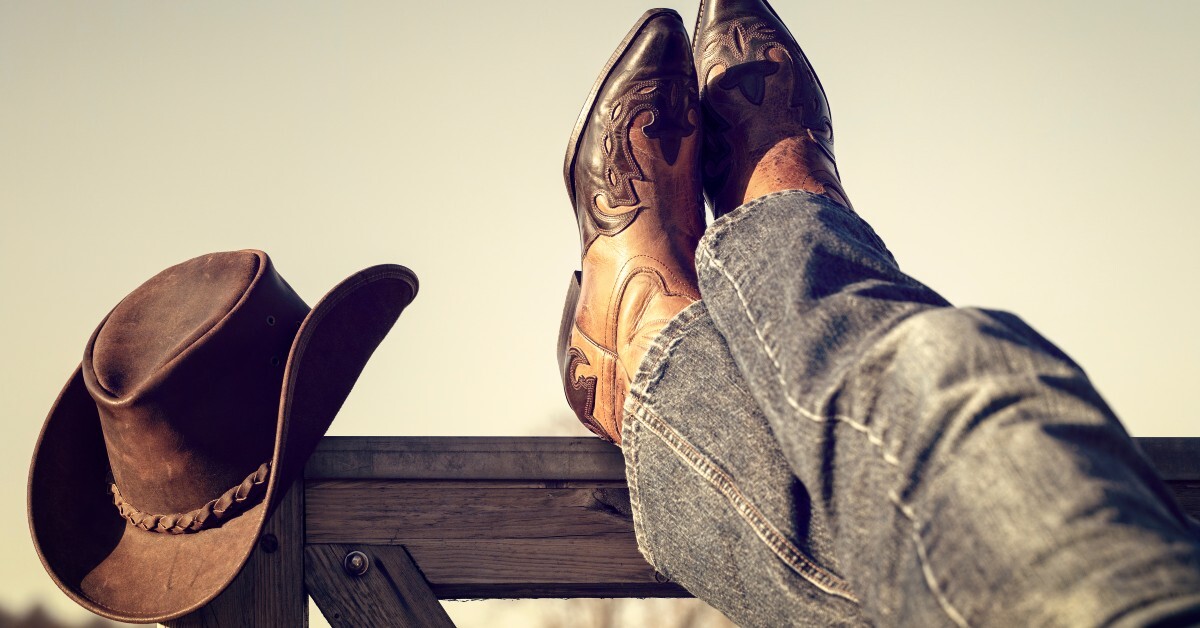
A slight flare at the ankle gives bootcut jeans their signature profile. That little extra room lets wider shafts glide under the hem and creates a sharp line from knee to heel. Folks heading to a honky-tonk reach for this fit because it reads dressy without looking stiff.
Bootcut denim is one of the best Western jeans for men, given the way they work hard and look good. Pick a mid-rise waistline that sits steady on the hips. A leg opening in the 18–20 inch range can clear most Western boots without sweeping the ground.
Slim Fit Jeans
A slim fit brings a closer cut through the thigh and calf while leaving space at the ankle for your boots. This jean fit offers a modern profile that pairs well with a crisp pearl-snap shirt or a T-shirt under a leather jacket.
The shape stays tidy through the day, which makes it ideal for rodeo parties, concerts, and city dinners where you still want Western grit in your look. When ordering from Eli’s Western Wear, seek out a denim blend with a touch of stretch—about one to two percent elastane—to help with bending, lifting, and long hours of wear.
Relaxed Fit Jeans
Some days call for extra room to move. Relaxed fit jeans give more space in the seat and thighs, which helps when you’re throwing hay bales, kneeling to check a cinch, or crouching to fix a gate. The leg falls straight without clinging, so you get airflow and ease without a baggy look.
Jeans that lean relaxed pair well with a leather belt and polished boots for quick runs into town. Choose jeans with reinforced seams and heavy denim, such as 14–16 oz, if your work puts serious wear on your clothes; those ounces help the jeans hold up.
Tapered Leg Jeans
A tapered leg narrows from the knee to the ankle and creates a clean shape. This fit keeps a bit of room up top while trimming the silhouette where it meets the boot. A tapered profile works well with pointed-toe boots because the narrow opening sits neatly on top of the boot shaft and shows off the toe shape.
Folks who want a polished look without going skinny find tapered to be a good middle ground. Consider a taper when you want a simple look that still respects classic Western lines. Aim for a rise that matches your posture: a mid-rise for everyday or slightly higher if you spend long periods in the saddle.
Loose Fit Jeans
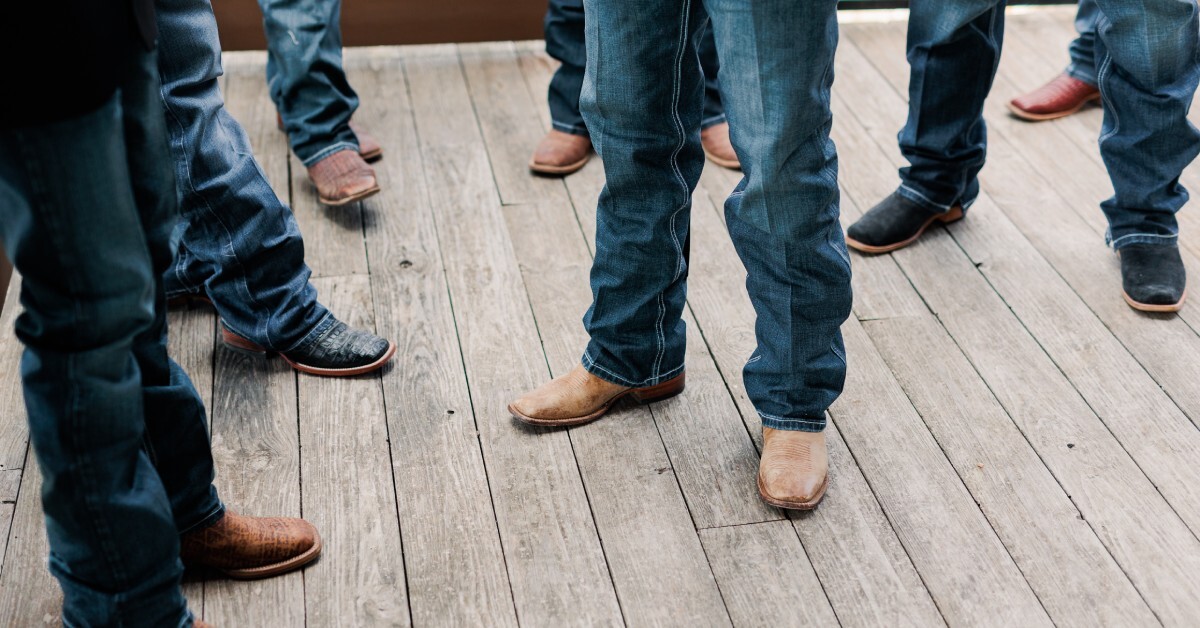
When comfort takes the lead, loose fit jeans answer the call with space through the seat, thigh, and leg. This cut handles bending, lifting, and long shifts on your feet without pulling at the seams. The shape leans into workwear heritage and suits heavy-duty tasks on the ranch or in the shop.
A loose fit looks best with thick belts and rugged boots. For practical use, consider double-knee panels or reinforced pockets if you’re constantly juggling handheld tools; those features extend the life of the denim under strain.
Classic Fit Jeans
Our guide to jean fits wouldn’t be complete without the classic fit! It sits between straight and relaxed, with just enough room in the seat and a steady leg that covers your boots. This jean fit for men is great when you’re grabbing one pair for a weekend that spans fence repairs, lunch in town, and a backyard cookout.
The silhouette has a timeless quality that flatters most builds without calling attention to any one feature. Match classic fit with a standard 16–18 inch leg opening to clear your boots while keeping a trim line.
Carpenter Jeans With a Western Twist
Carpenter jeans earn their place with the best pants utility details, including deep pockets and a hammer loop. Those extras come in handy for ranch work, fencing, trail maintenance, or any job that calls for hand tools. A Western twist—contrast stitching, heritage rivets, or dark indigo—keeps them aligned with cowboy style rather than pure shop wear.
Jeans with carpenter features bridge form and function, so you can wear them into town without a problem. For longevity, seek triple-stitched seams and bar-tacked stress points.
High-Rise Jeans
High-rise jeans sit at or above the waistline, a fit that echoes traditional Western silhouettes. Riders appreciate how the higher rise stays put when leaning forward in the saddle or lifting heavy loads. The look lengthens the leg and supports the core, which brings a tidy profile under a tucked pearl-snap.
High-rise jeans pair best with classic belts and heavy buckles. Measure the waist where your belt naturally settles rather than at the hips; that simple step prevents gaps and keeps the rise comfortable.
Dungarees With a Western Edge
Dungarees share workwear style with sturdy denim, generous pockets, and a shape suited to long days. The cut leaves room for movement without veering into a baggy silhouette, which keeps you ready for heavy tasks without looking sloppy in town.
Western touches—back-pocket embroidery, leather patches, and copper rivets—add character to the garment. Wear dungarees when you’re going from barn to barbecue. It’s best to wash them inside out on cold and line dry them to preserve their color and fabric strength while preventing shrinkage.
The right fit of jeans supports your work and looks good every time you pull them on. These styles bring a distinct blend of comfort, function, and style to a Western wardrobe. If you’re ready to build out a lineup that suits your days and your weekends, start by trying two or three fits from Eli’s Western Wear. Visit our shop to find the fits described here, compare washes, and pick the pair that will take on your next season with grit and style.