 US Dollars


Like all clothing styles, western wear has evolved over time. What you think is a typical cowboy or cowgirl look is much different than what your grandparents wore back in the day!
If you're curious how modern western wear is different from classic western wear, we’ll teach you what's changed since this fashion emerged in the American West. You'll see how some pieces stayed the same while others got a fresh update.
The Classic Western Look
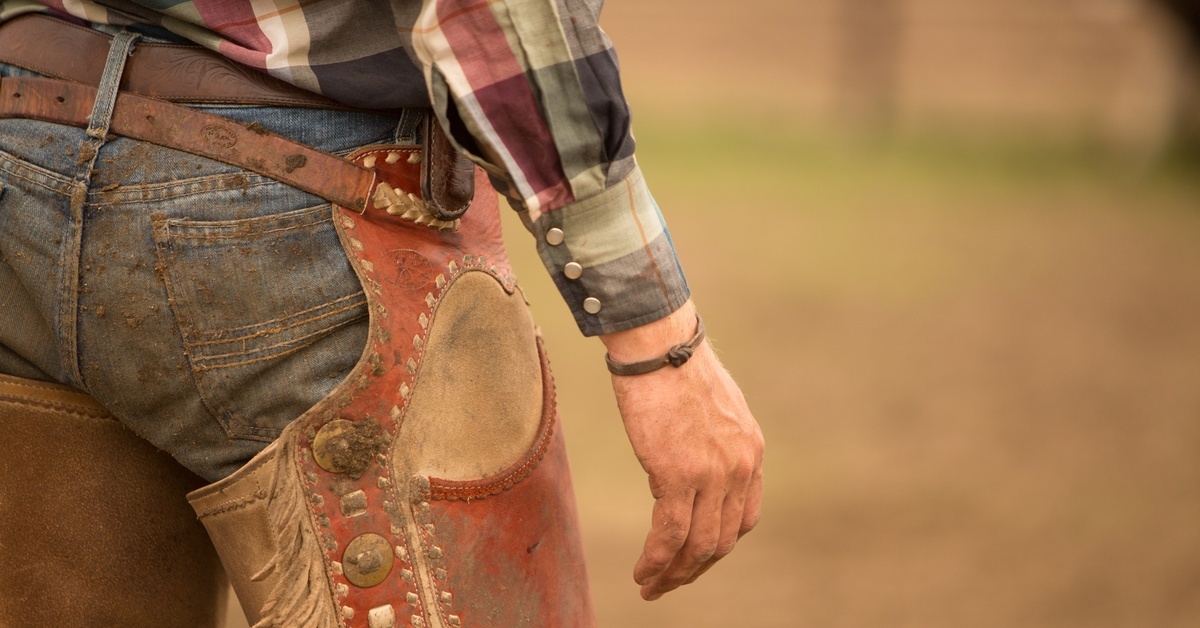
Western wear started taking shape in the mid-1800s when cowboys needed practical clothing for ranch work. They spent long days herding cattle, riding horses, and working outdoors in all kinds of weather. Function mattered more than fashion, but style naturally developed from what worked best.
By the early 1900s, rodeos and Western films popularized the cowboy aesthetic. Suddenly, people who'd never set foot on a ranch wanted to dress like their favorite movie stars. Classic western wear became iconic because it mixed rugged durability with unmistakable flair.
Cowboy Hats
The wide-brimmed cowboy hat served multiple purposes. It shaded faces from the blazing sun, kept rain off during storms, and could even hold water for horses. Traditional Stetsons featured high crowns and wide brims, usually in neutral colors like tan, brown, or black.
Cowboys shaped their hats differently based on regional preferences. Some creased the crown down the center, while others preferred a flat brim or a curved one. These weren't just fashion choices; they showed where you came from.
Denim and Chambray Shirts
Work shirts had to withstand tough conditions. Denim and chambray became popular fabrics because they held up against thorns, rope burns, and constant wear. These shirts typically came in solid colors, with pearl snap buttons that wouldn't snag on equipment.
Long sleeves protected arms from sun exposure and scratches. Chest pockets held small tools or tobacco pouches. The fit was loose enough to allow movement but not so baggy that it got caught on things.
Jeans and Chaps
Levi Strauss revolutionized workwear when he created reinforced denim jeans in 1873. Cowboys needed pants that wouldn't rip when they wrestled cattle or rode for hours. Rivets at stress points kept the fabric together.
Leather chaps went over jeans to protect legs from brush, rope burns, and weather. They came in different styles. Shotgun chaps covered the full leg, while batwing chaps had a wider, looser fit.
Boots and Spurs
Cowboy boots had high shafts to protect calves and heels designed to grip stirrups. Pointed toes made it easier to slide feet into stirrups quickly. Leather construction meant they lasted years with proper care.
Spurs weren't just decorative. Cowboys used them to communicate with their horses through subtle leg movements. The rowels (the spinning wheels on spurs) came in various sizes depending on the rider's preference and the horse's training.
Bandanas and Belts
A bandana around the neck wasn't a fashion statement; it was a tool. Cowboys pulled them over their noses and mouths to filter dust during cattle drives. They also used bandanas to wipe sweat, tie things down, or bandage minor injuries.
Leather belts with large buckles held everything together. Trophy buckles from rodeo wins became prized possessions. Belt buckles told stories about a cowboy's achievements and experiences.
The Modern Western Look
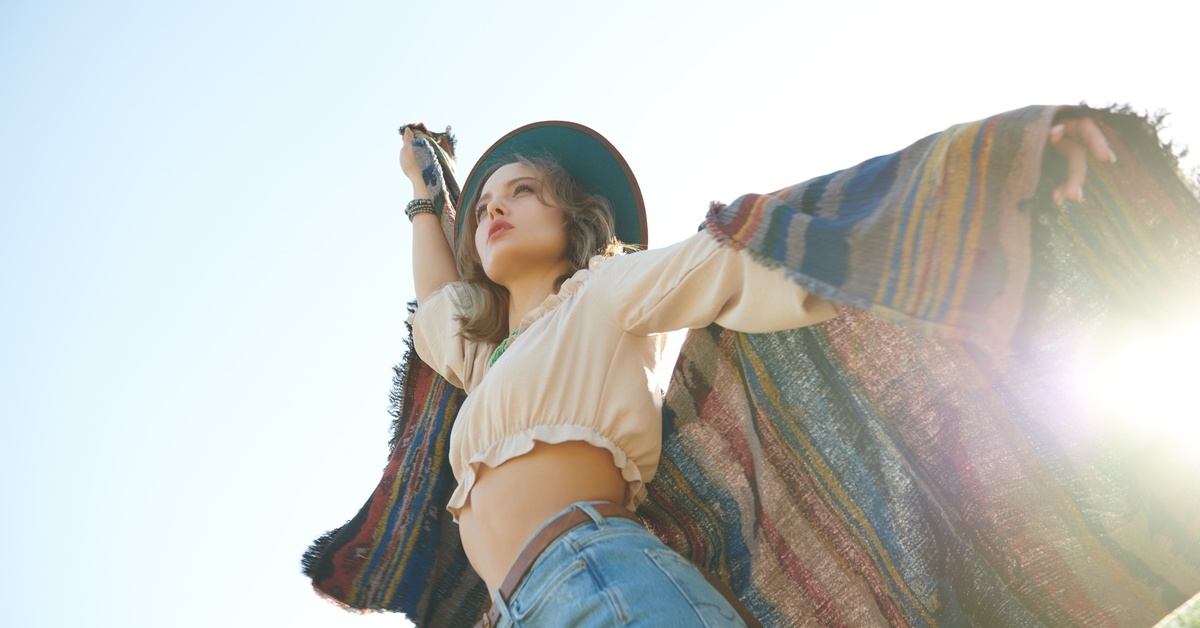
Modern western wear started evolving in the 1970s and really took off in the early 2000s. Designers began blending traditional elements with contemporary fashion trends. What was once purely functional became a lifestyle choice and a way to express personality.
Social media accelerated this transformation. Influencers and celebrities put their own spin on western style, mixing vintage pieces with current trends. Suddenly, western wear showed up on runways and city streets, not just on ranches.
Updated Hat Styles
Today's western hats come in every color imaginable, from pastels to metallics to bold prints. Felt and straw are still popular, but you'll also find wool blends and even synthetic materials. Brims tend to be slightly narrower than classic styles, and crowns sit lower for a more streamlined look.
Some folks decorate their hats with feathers, beads, or custom hat bands. Others prefer a clean, minimalist approach. The choice reflects personal style rather than regional tradition.
Fashion-Forward Tops
Modern western shirts embrace patterns and embellishments. Floral prints, fringe details, and embroidered designs add visual interest. You'll see everything from crop tops to oversized button-downs in western-inspired styles.
Women's western wear particularly exploded with options. Off-the-shoulder tops, fitted bodices, and flowing fabrics brought a feminine touch to cowgirl style. Men's shirts now feature slimmer cuts and contemporary patterns alongside traditional plaids.
Denim With a Twist
While jeans remain a staple, modern western wear includes distressed denim, skinny jeans, and bootcut styles in various washes. Denim jackets got updated with embroidery, patches, and unique washes. Some people pair western tops with denim skirts or shorts instead of traditional jeans.
The fit changed too. Classic western jeans were straight-legged and practical, but modern versions range from ultra-skinny to relaxed boyfriend cuts. People choose their style based on comfort and personal preferences rather than what works best for riding.
Contemporary Footwear
Ankle boots joined traditional tall cowboy boots as acceptable western footwear. You'll find boots in exotic leathers, metallic finishes, and vibrant colors. Some have stiletto heels, while others keep the traditional stacked heel.
Sneakers occasionally make appearances in modern western outfits, particularly when comfort tops authenticity. Mixing athletic shoes with western pieces creates an unexpected but functional look.
Accessories With Attitude
Turquoise jewelry remains popular, but modern western accessories include everything from delicate gold layered necklaces to chunky statement pieces. Hat bands, belt buckles, and bag charms let people personalize their look.
Crossbody bags replaced traditional leather satchels for many people. Fringe details, concho embellishments, and tooled leather patterns keep these accessories tied to western roots while feeling current.
Main Differences Between Classic and Modern Western Wear
Classic western wear prioritized function over fashion. Every piece had a purpose beyond looking good. Modern western wear flips that script; it's about expressing individual style while nodding to traditional elements.
Classic western wear includes:
- Neutral color palettes (browns, tans, blacks)
- Loose, practical fits
- Heavy-duty fabrics built to last
- Minimal decorations
- Traditional silhouettes
Modern western wear includes:
- Vibrant colors and bold patterns
- Fitted, fashion-forward cuts
- Mix of traditional and contemporary fabrics
- Embellishments and personal touches
- Creative interpretations of classic pieces
You'll notice the classic looks stay true to their working-ranch origins. Modern styles borrow some classic elements but adapt them for everyday wear, special occasions, or making a fashion statement.
Find Your Western Style at Eli's
While certain aspects of western wear have changed, the basic building blocks of both classic and modern western wear are the same: you need a good hat, quality boots, and durable denim! Whether you're into the classic ranch-hand look or prefer the modern twist, Eli's Western Wear has western wear from across the decades for you to shop.
We stock everything from traditional Stetsons to embroidered tops for women, men, and kids. You're sure to find a few new pieces for your western-inspired closet here. Stop by and see how classic and modern western wear can work together in your wardrobe—because the best style is the one that feels right on you.