 US Dollars

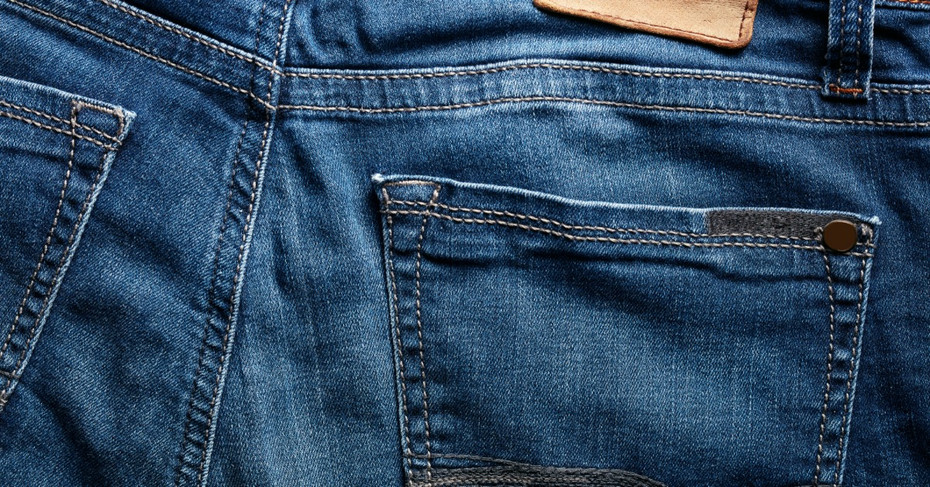
Denim has weight to it. It can be lightweight and breathable, heavy and stiff, or even thick enough to feel like a second layer of armor. Midweight denim is defined as fabric that falls between 12 and 14.5 ounces per square yard, giving it enough body to hold structure without the rigidity of heavier options. It's the most common type of denim used in western jeans, for a variety of reasons.
Here's what you need to know about what makes midweight denim the preferred choice for western wear, and why you should reach for it on your next pair.
It Holds Its Shape Through Long Days
One of the first things you notice after a full day in a pair of midweight western jeans is that they still look put-together. Lightweight denim tends to sag and stretch out as the day goes on, especially through the knees and seat. Midweight fabric has enough density to resist that. The weave stays tighter under pressure, so the jeans keep their cut from morning to evening.
The Fabric Breaks in Without Breaking Down
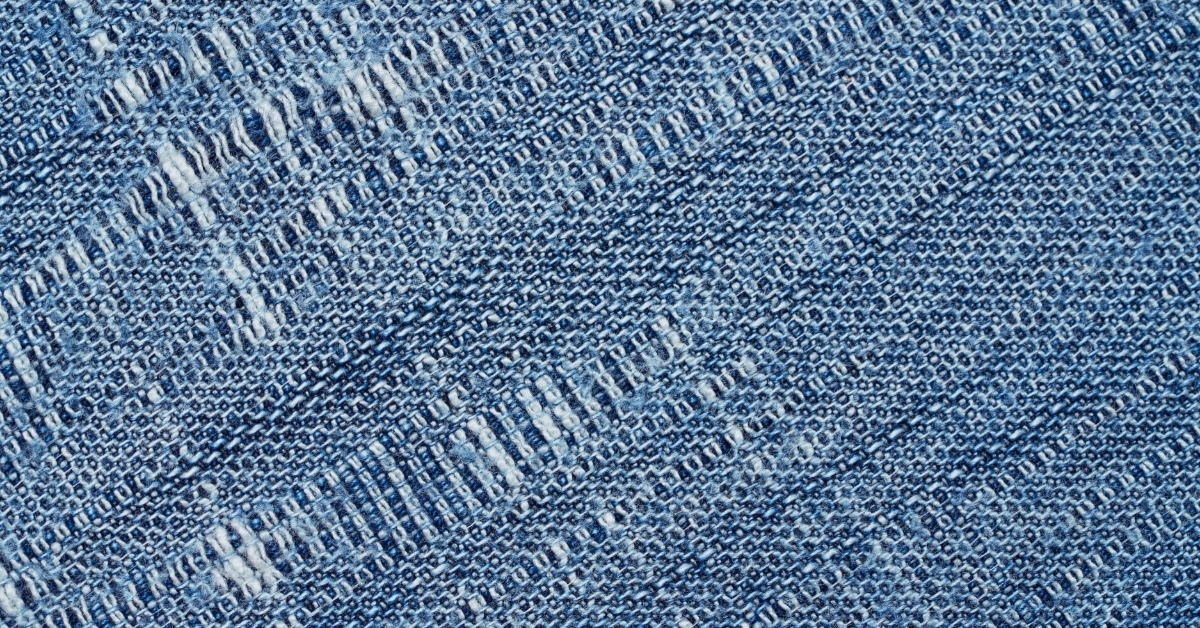
New denim can be stiff, but midweight breaks in faster than heavier fabric without losing its structure in the process. With heavier denim, the break-in period can take months of regular wear before the fabric softens to a comfortable fit. Midweight gets there sooner because the fibers have less resistance to movement. Once it's broken in, the jeans mold to your body without going limp or wearing thin at the pressure points the way lightweight denim does.
It Wears Across More Seasons Than You'd Expect
Lighter denim is summer fabric. Heavier denim is built for cold. Midweight sits between the two in a way that extends its usefulness across the year. The fabric breathes well enough for warm weather without leaving you underdressed in cooler temperatures. For anyone who wears jeans as a daily staple, that versatility reduces the need to rotate between seasonal weights. A good pair of midweight western jeans works in March just as well as it does in September.
Fading and Wear Patterns Look Better Over Time
Denim fades in patterns based on how you move, where you carry things, and how often you wash the fabric. On midweight denim, those fade patterns develop gradually and evenly. Lightweight fabric fades too fast and too unevenly, often leaving the jeans looking worn out rather than broken in. Heavier denim resists fading so well that it can take years before any character shows up. Midweight hits a pace where the jeans develop a natural look over time that actually improves the appearance of the pair.
The Fabric Handles Stitching and Hardware Better
Western jeans aren't plain denim. They come with decorative stitching on the back pockets, heavy rivets, and often contrast thread running through the seams. That hardware and stitching requires fabric dense enough to anchor it without puckering or pulling over time. Lightweight denim doesn't provide enough base for those details to sit flat and stay secure. Midweight gives the construction something to grip, so the stitching holds its pattern and the rivets don't create stress points that lead to tearing.
Movement Feels Natural Rather Than Restricted
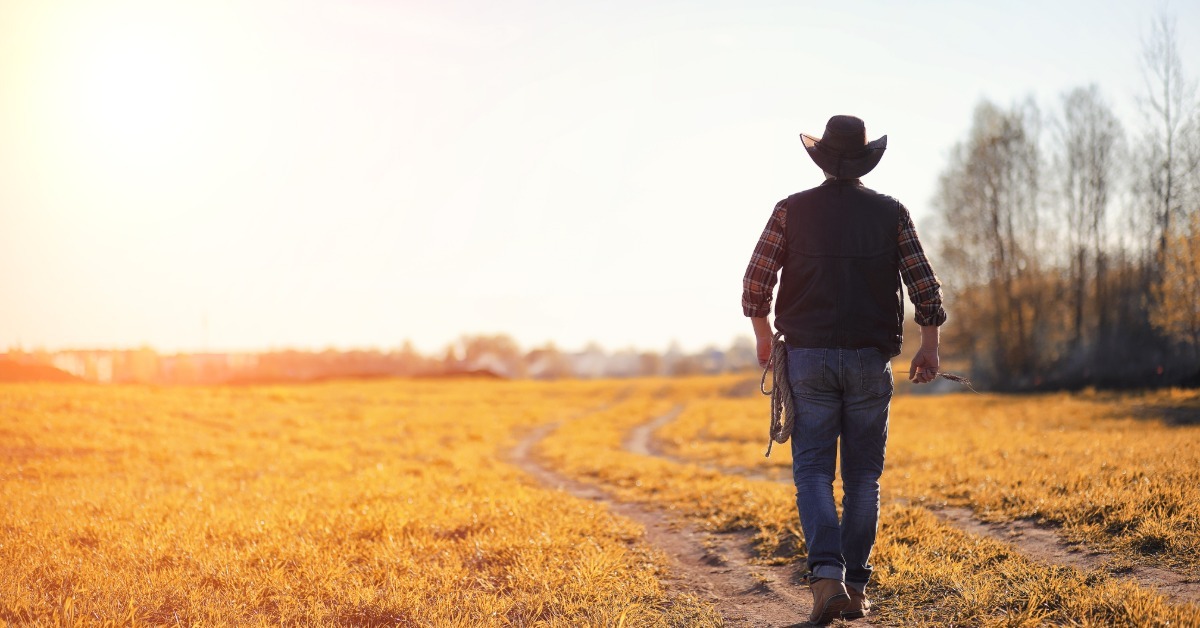
Heavier denim limits how freely you can move, especially if you're in the saddle, climbing fences, or squatting down to check something on the ground. The fabric fights back against sharp angles and repeated bending. Midweight denim flexes with your body without the resistance that heavier fabric creates. You can move through a full range of motion without the jeans feeling like they're working against you. That's not a small thing when you're on your feet for hours or doing physical work.
It Resists Abrasion Without Being Inflexible
One of the reasons midweight denim became the standard for work-adjacent western wear is that it holds up against friction. Whether you're sitting in a truck seat all day, rubbing against a saddle, or just dragging through brush, midweight fabric resists surface abrasion better than lighter options. The threads are dense enough to take repeated contact without thinning out quickly. Heavier denim also resists abrasion, but the trade-off is stiffness. Midweight gives you durability without sacrificing the flexibility that makes a pair of jeans wearable every day.
Washes Stay Cleaner and Recover Better
Midweight denim tolerates repeated washing without distorting the way lighter fabric does. Lightweight denim can shrink unevenly or lose its shape after a few cycles in the machine. Heavier fabric takes longer to dry all the way through, which creates its own set of problems. Midweight dries at a reasonable rate and comes back to its original dimensions reliably after washing. If you wear your jeans hard and wash them often, that recovery is something you'll notice over the life of the pair.
The Weight Supports a Polished Western Silhouette
Western jeans have a specific cut: a higher rise, a defined waist, and a straight or slightly tapered leg that sits cleanly over a boot. That silhouette depends on fabric that holds its shape at the waist and thigh without bunching. Lightweight denim collapses into that structure rather than supporting it. Midweight provides enough body that the cut stays visible, the rise doesn't fold over, and the leg hangs in a clean line whether you're tucking into boots or wearing them over.
The Right Weight Makes a Difference in Fit Over Time
Fit isn't static. Denim stretches and conforms as you wear it. Lightweight denim stretches quickly and keeps stretching, which is why lightweight jeans can feel loose and baggy after a few hours. Heavier denim barely gives at all, which is why a pair can feel uncomfortably tight even after months of wear. Midweight denim stretches to your body at a pace that results in a fit that's custom to you without going slack.
The Right Pick for Western Wear
There are many advantages to midweight denim in western jeans, from seasonal versatility and durability to better fading, improved fit over time, and a silhouette that holds the way western cuts are built to look. While western jeans with lighter and heavier denim do exist, they don't have quite the staying power that midweight denim does.
At Eli's Western Wear, we sell high-quality men's western jeans. Shop fashionable, durable midweight denim jeans at everyday prices.