 US Dollars


So, you’re thinking about picking up a new pair of cowboy boots. There’s just one issue: you see options marketed for riding and others made for casual wear. What’s the difference between the two? Which should you choose? Well, it comes down to where and when you plan to wear your pair. This comparison will help you understand what each boot has and the situations they’re best suited for. Let’s get into it.
Riding Boots
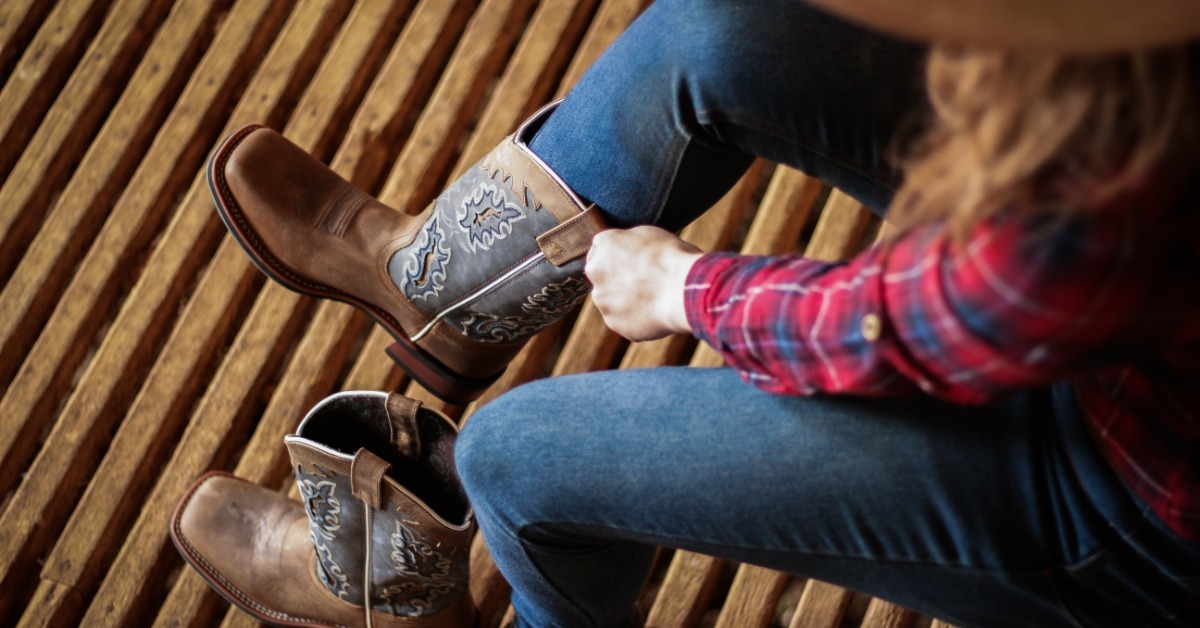
Riding boots are western boots built to support a rider’s foot in the stirrup and protect the lower leg during saddle use. Their shape, heel, sole, and materials serve riding first, with style coming second.
Tall Shafts
Riding boots have taller shafts because riders need coverage along the lower leg. The shaft helps protect against rubbing from stirrup leathers, brush, tall grass, and contact with the saddle. It also creates extra height that helps keep dust and debris from falling into the boot around the ankle and calf area.
Defined Heels
A riding boot has a raised heel with a clear edge. This heel helps keep the foot from sliding too far through the stirrup.
A flat sole can slip forward, which creates a safety risk while riding. The defined heel gives your foot a stopping point, so you can keep better control and position in the saddle.
Stirrup-Friendly Soles
Riding boots need soles that work with a stirrup. Traditional leather soles slide in and out of the stirrup smoothly, which helps the rider adjust foot position without fighting the boot.
Rubber soles can offer more ground grip, but too much tread can catch where the rider needs release. For riding, the sole needs a balance between control and smooth movement.
Structured Support
Riding boots feel firmer than many casual boots because they need to hold the foot in place. A loose, soft boot can shift inside the stirrup and make the rider work harder to keep a secure position.
The boot should fit close through the instep without pinching. That snug fit helps the boot move with the foot instead of sliding around.
Full-Grain Leather
Many quality riding boots use full-grain leather because it keeps the strongest surface layer of the hide. That outer grain handles abrasion better than corrected-grain leather, which has been sanded or buffed to remove marks.
Full-grain leather also develops a stronger break-in pattern over time. For riding, that means the boot can soften with use while still keeping the structure riders need.
Casual Boots
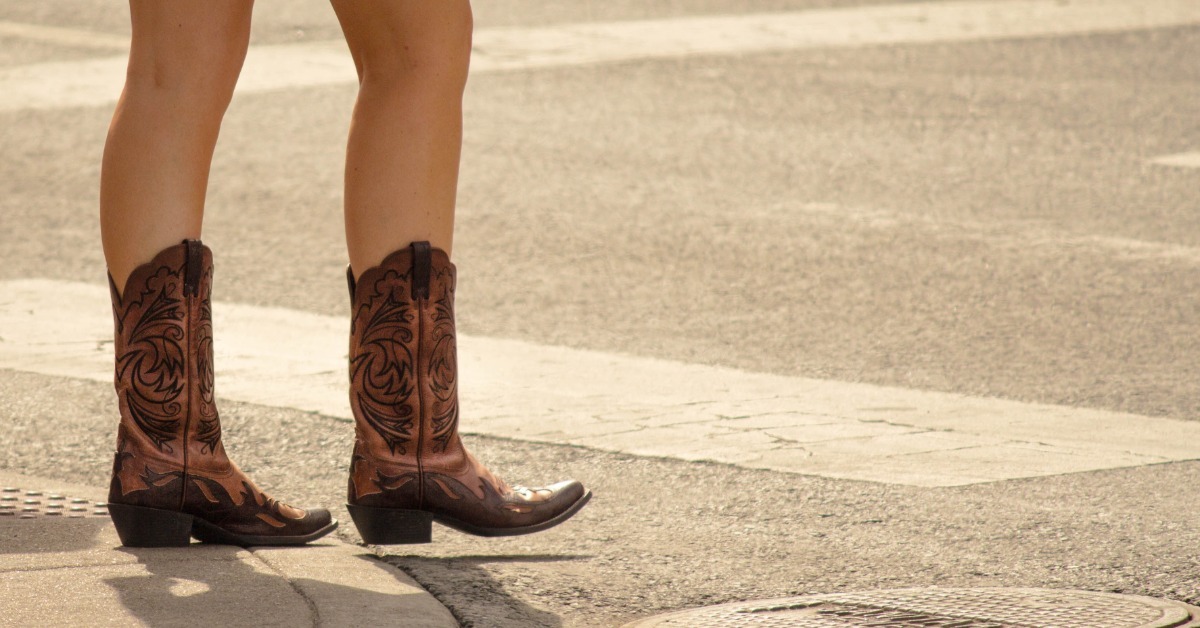
Casual boots are western-style boots made for regular wear, not riding. They keep the western profile, but they’re built around comfort on foot instead of safety in a stirrup.
Relaxed Shafts
Casual boots don’t need the same stiff shaft as riding boots because they aren’t protecting the calf from saddle contact. The shaft can bend more naturally as you move.
That relaxed shape feels better for long wear away from the saddle. It also makes the boot easier to style under jeans since the leg doesn’t need heavy structure.
Lower Heels
Casual boots often use a lower heel because they don’t need to lock against a stirrup. The heel can still give the boot a western look, but it serves comfort first.
A lower heel reduces forward pressure on the foot. That helps when you’re spending the day on pavement or hard indoor floors.
Walkable Soles
Casual boot soles are built for ground contact, not stirrup release. They need enough traction to feel secure on sidewalks, store floors, and parking lots.
Many casual soles also have more flex than riding soles. That flex helps the boot move with your foot instead of forcing a stiff stride.
Softer Break-In
Casual boots should feel wearable sooner than riding boots. They don’t need the same firm structure through the shaft or foot.
A softer break-in helps when the boots are part of your everyday wardrobe. You still want the boot to hold its shape, but it shouldn’t feel too stiff if you’re using it for casual plans.
Style-First Details
On riding boots, extra decorative pieces stay minimal because they can interfere with safe movement around tack. For example, long tassels can catch on stirrup leathers or brush against the saddle while you ride.
Casual boots give more room for decorative choices. Stitching, color, and leather finish can carry more of the design. Some common decorative details on casual boots include flame stitching, embroidered shafts, turquoise inlays, metallic overlays, and detailed toe patterns.
When To Wear Both
Riding boots and casual boots both have a place in a western wardrobe. The right choice depends on whether you need riding function or everyday comfort.
Riding Boots
- Horseback Riding: The defined heel helps keep your foot from sliding too far through the stirrup.
- Barn Work: The taller shaft gives your lower leg better coverage around horses.
- Ranch Days: The stronger structure helps the boot hold up during long outdoor wear.
- Riding Lessons: The stirrup-friendly sole helps your foot move in and out of position with better control.
Casual Boots
- Everyday Outfits: The softer build gives you western style without the stiffness of a riding boot.
- Errands: The walkable sole feels more natural on pavement and indoor floors.
- Nights Out: The decorative details let the boot carry more of the look.
- Travel Days: The lighter feel works better when you’ll spend more time walking than riding.
Find The Pair That Fits Your Plans
How do you tell the difference between riding cowgirl boots vs. casual styles? By referencing this handy guide! It’s important to know what each boot is built for when you’re shopping for a new pair. Casual boots don’t have the stirrup-focused features you need for safe riding. Riding boots can feel too structured for casual wear. You need an option that fits the situations you plan to wear your pair in.
At Eli’s Western Wear, we have all kinds of cowboy boots for women available. Whether you need a sturdy pair for saddle time or a stylish pair for a night out on the town, shop our selection and find boots that work for your lifestyle.