 US Dollars


When people picture classic western headwear, leather and straw usually come to mind first. So where does felt fit in? The story behind how felt hats became popular in western culture says a lot about how western style grew from daily use into something people wear with pride in all kinds of settings. From ranchers needing a hat they could count on to movie fans wanting a sharper western look, felt earned its place through real function and lasting appeal.
Why Use Felt for Cowboy Hats?
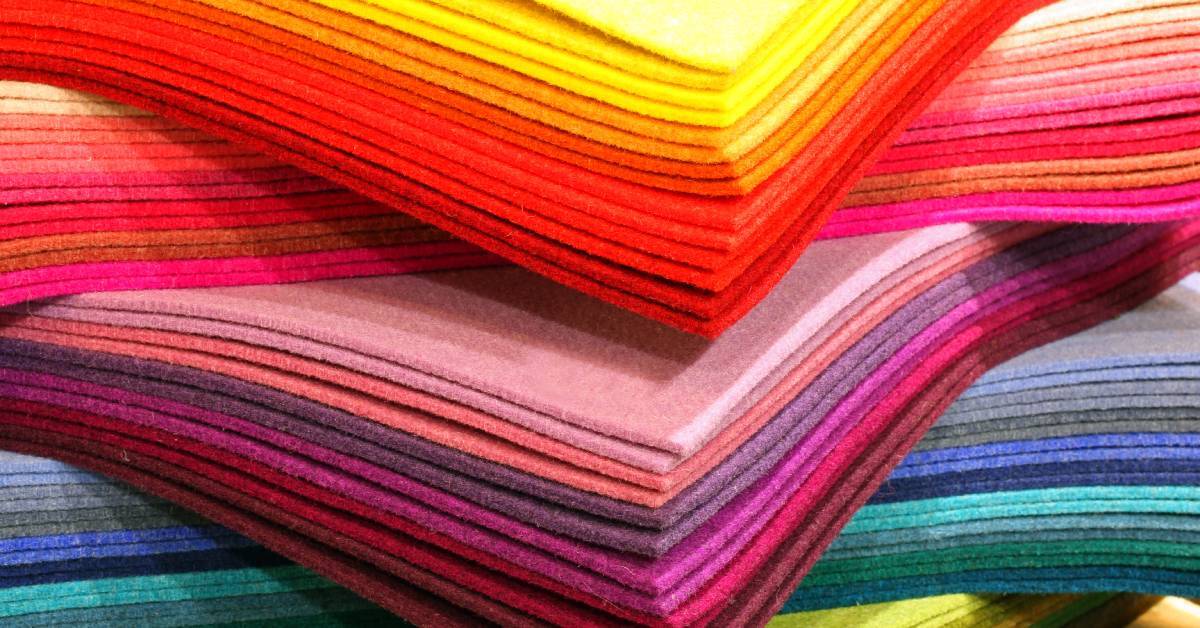
Felt is a dense textile made by matting and pressing animal fibers, most commonly wool or fur, into a solid material. In cowboy hats, felt is used because it holds a defined shape, resists light moisture, and provides more insulation than open-weave materials. It also creates a smoother, more structured finish than straw or many fabric-based hat materials.
Benefits of felt cowboy hats include:
• Strong shape retention
• Better warmth in cool weather
• More protection from wind
• Light resistance to moisture
• Smoother, dressier appearance
• Easy to block and reshape
• Available in different quality levels, from wool felt to fur felt
How Felt Hats Became Popular in Western Culture
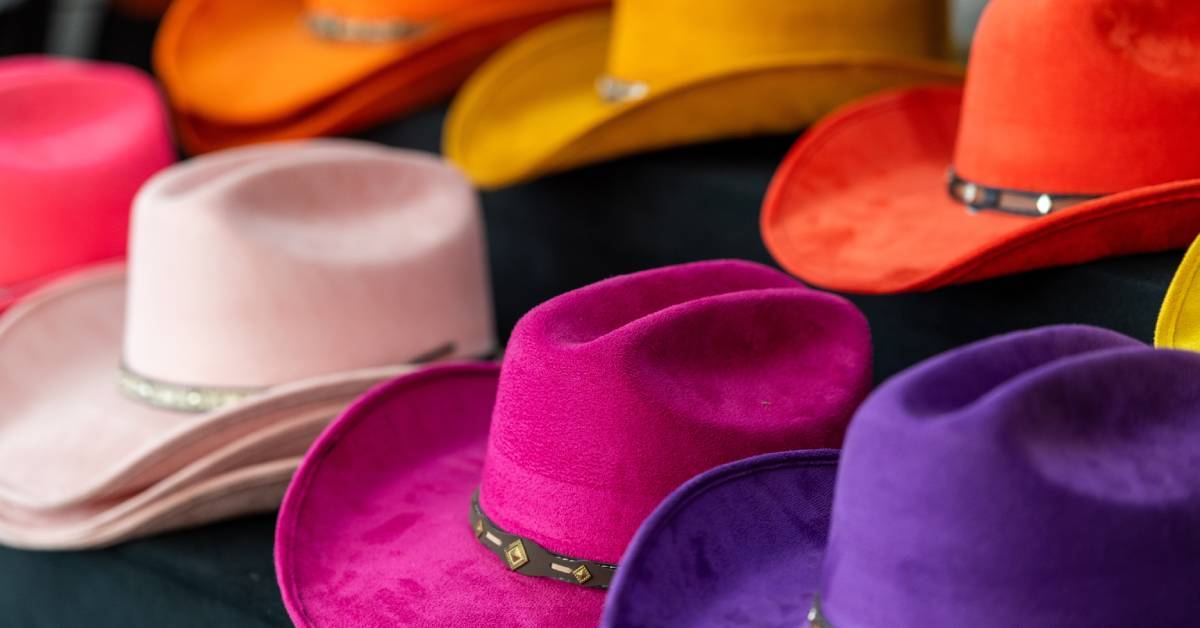
Felt hats didn't appear in western culture overnight. Their rise happened gradually, shaped by practical necessity, cultural exchange, and a few key moments in American history.
The Spanish and Mexican Influence
The roots of the western felt hat go back to the vaquero tradition brought north by Spanish and Mexican horsemen in the 1600s and 1700s. These riders wore wide-brimmed felt hats to shield themselves from the sun during long days on horseback. When American ranchers and cowboys began working alongside vaqueros in the Southwest, they adopted the wide-brim style and the material that came with it.
The Role of the Frontier Era
As the American frontier expanded westward in the 1800s, the demand for durable, functional gear grew with it. Cowboys, ranchers, and trail hands needed hats that could handle sun, rain, cold, and wind all in the same week. Felt delivered on every front. By the mid-1800s, felt hats were standard across the western territories.
The Cattle Drive Era
The great cattle drives of the 1860s through the 1880s pushed felt hats further into western identity. Cowboys moving massive herds from Texas to Kansas railheads spent months on the trail in unpredictable conditions. A felt hat was one of the few pieces of gear that pulled double duty, blocking sun during the day and holding warmth at night. By the time the cattle drive era wound down, the felt hat was locked in as a symbol of the working cowboy.
Rodeo Culture and the Hat's New Stage
As the open range gave way to fenced land and organized ranching in the late 1800s and early 1900s, rodeo stepped in as the sport of the West. Cowboys who once drove cattle started competing publicly, and the felt hat came with them into the arena. Rodeo gave the hat a new audience and a new stage. It stopped being purely a work tool and started carrying cultural weight, representing horsemanship, western tradition, and a way of life that people across the country admired from a distance.
John B. Stetson and the Boss of the Plains
No moment shaped the western felt hat more than 1865, when John B. Stetson introduced the "Boss of the Plains." Stetson designed it specifically for western working conditions, using high-quality fur felt and a wide, flat brim. It sold immediately. Cowboys, lawmen, and ranchers across the country adopted it, and the Stetson name became synonymous with western hats as a whole. That single design set the standard for what a cowboy hat looked and felt like for generations.
Hollywood and the Golden Age of Westerns
By the early 1900s, Hollywood began producing western films, and the felt cowboy hat came with the territory. Stars like John Wayne and Gary Cooper wore felt hats in nearly every frame, and audiences across the country and around the world connected the look directly with American western identity. The hats weren't just costumes. They were character.
The Modern Western Revival
Western fashion has seen a major resurgence in recent years. Shows like Yellowstone brought cowboy culture back into mainstream conversation, and a new generation of fans started looking for authentic western gear, felt hats included. That interest didn't stay regional. People in New York, Los Angeles, and other major cities started wearing western styles as everyday fashion, not just at rodeos or ranches. Felt hats moved into boutiques, runways, and online shops, reaching audiences that had never set foot on a ranch.
Why Felt Holds Its Own Against Leather and Straw
Leather and straw both have their place in western hat culture, but felt sits in a category of its own when it comes to versatility and year-round wearability.
Straw hats are lightweight and breathable, which makes them a solid warm-weather option. But they're seasonal. They don't hold up well in rain, they can't be reshaped easily, and they break down faster under regular use. Most people who wear straw treat it as a summer hat and reach for something else the rest of the year.
Leather hats carry a rugged, distinctive look and they're built to last. But leather is heavy, and it requires consistent maintenance to prevent cracking and stiffness. It also doesn't breathe as well, which makes it uncomfortable in warmer conditions. Leather is a specialty choice, not an everyday one.
Felt covers more ground than either. It works in cold and mild weather, handles light moisture, shapes to the wearer over time, and requires far less upkeep than leather. For someone who wants one hat that works across seasons and settings, felt is the most practical answer.
Why Felt Still Belongs in the Western Look
By now, it’s easy to see how felt hats became popular in western culture. People didn’t start wearing them just for looks. They caught on because they handled real outdoor use, held their shape, and gave western outfits a clean, finished style people wanted to keep wearing. From working ranches to rodeos to everyday fashion, felt hats earned their place the old-fashioned way: by being useful and looking good doing it.
When most people think of western hats, they think of leather first, but felt hats rank right up there in popularity too because of their durability and refined look. If you’re interested in western and cowboy hats, Eli’s Western Wear has a wide selection of felt styles to look through. With a range of shapes, sizes, and even colors to choose from, you’re bound to find one that fits right in with your style.