 US Dollars

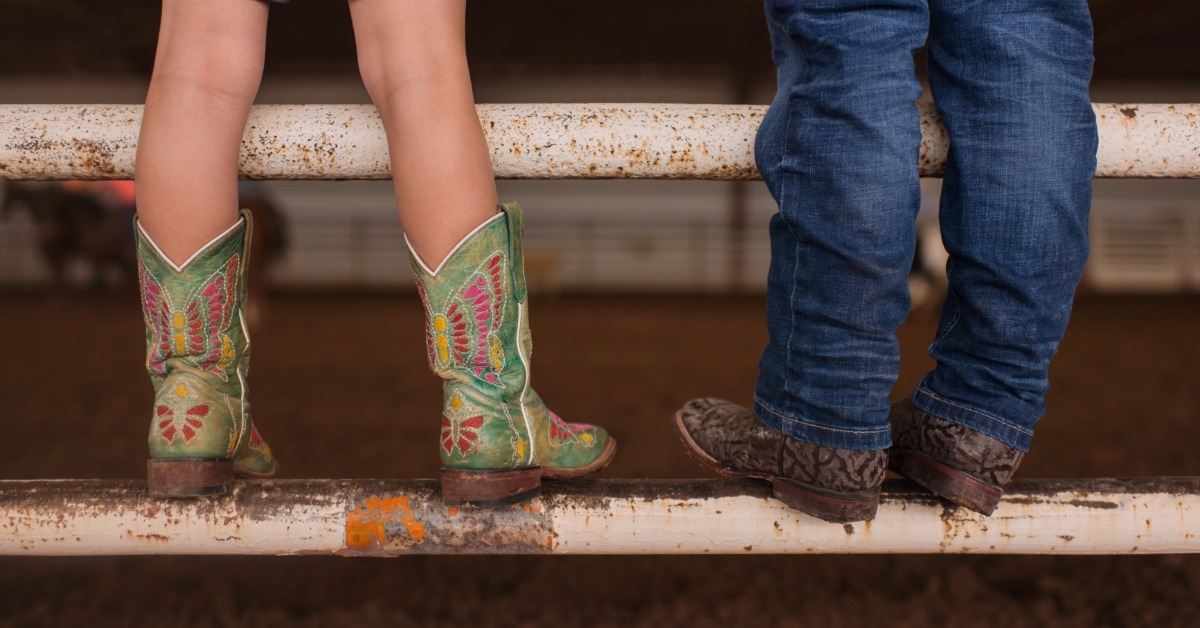
Thinking about picking up a pair of boots for your little cowboy or cowgirl, but debating between full-leather construction or a synthetic option? Both material types have their pros and cons for this age group. To help you sort through the difference, here's a close look at how each holds up for toddlers specifically, and what to weigh before you buy.
Leather Boots
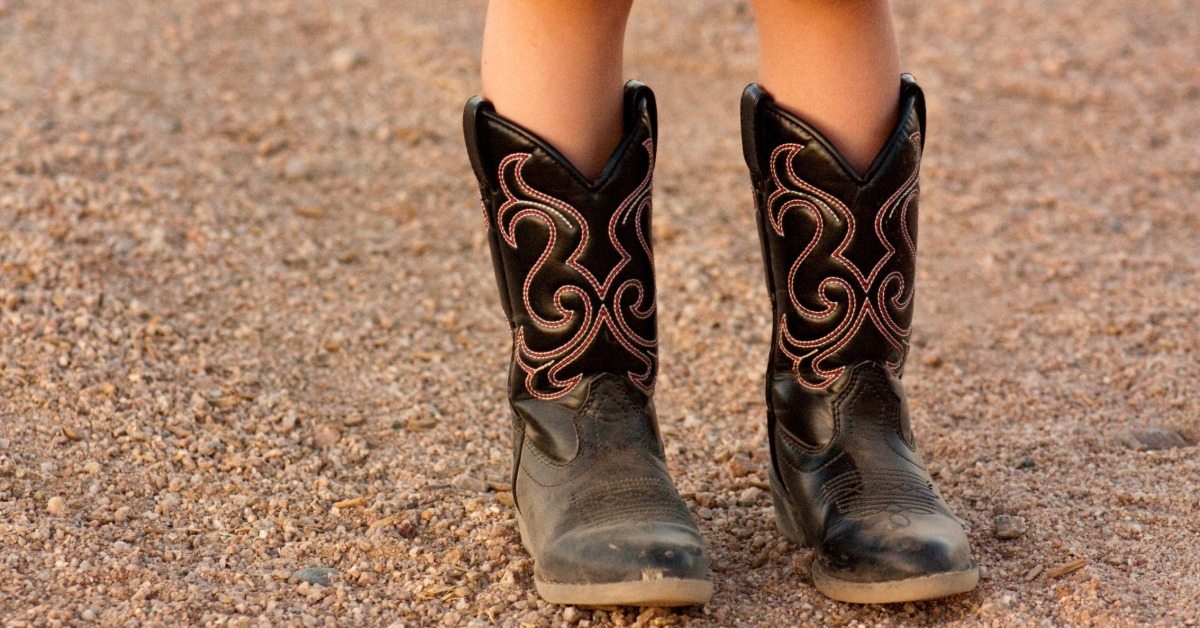
Leather toddler boots are made with natural animal hide that has been treated and shaped for use in footwear. In western boots, leather is used to form the upper portion that surrounds the foot and extends up the leg.
You’ll see different types of leather depending on the boot, but they all come from natural hide rather than a manufactured substitute.
Pros Of Leather Toddler Boots
- Leather molds around the foot with wear. A new pair starts with more structure, but repeated movement gradually softens the hide around areas that flex while your toddler walks.
- Real leather handles scuffs well. Small marks from playground dirt or outdoor wear don’t automatically ruin the surface. Many scuffs blend into the leather as the boots age.
- Leather breathes better than many synthetic materials. Natural hide allows some heat and moisture to move through the material rather than trapping everything around the foot.
- Cowboy boot construction looks traditional in leather. If you want the same type of material used in many adult western boots, leather gives your toddler that classic connection.
Cons Of Leather Toddler Boots
- Leather costs more upfront. You’re paying for natural hide and the work involved in turning it into footwear. For a child who may outgrow the pair quickly, that higher price deserves some thought.
- New leather may start out stiff. A toddler who isn’t used to boots may notice that firmer structure during the first few wears. Softer leather becomes easier to bend as it breaks in.
- Leather needs some care after messy wear. Mud shouldn’t sit on the surface for long periods. Cleaning dirt away after an outdoor day protects the hide from drying out or getting rough.
- Water requires extra attention. Leather isn’t the material you want repeatedly soaked and left to dry on its own. Too much moisture can affect its texture as it dries.
Synthetic Boots
Synthetic toddler boots are made with man-made materials instead of natural leather. These materials are produced to create the outer structure and appearance of the boot.
Some synthetic uppers are designed to resemble leather, while others have a smoother or more decorative finish.
Pros Of Synthetic Toddler Boots
- Synthetic boots tend to cost less. A lower purchase price fits the short window many toddlers spend in one shoe size.
- Many synthetic materials start softer. Your child gets more flexibility right out of the box instead of waiting for natural hide to loosen through wear.
- Cleaning is simple after everyday messes. Many surface marks wipe away with a damp cloth, which comes in handy when boots meet spilled snacks or dusty ground.
- Synthetic footwear comes in plenty of playful designs. Manufactured uppers allow brands to offer finishes that appeal to children without relying on natural leather grain.
Cons Of Synthetic Toddler Boots
- Synthetic material doesn’t mold to the foot like leather. It bends during wear, but it doesn’t develop the same broken-in shape around your toddler’s foot.
- Surface damage may show sooner. Scratches or peeling become harder to blend into synthetic material because the outer finish doesn’t age the same way as natural hide.
- Breathability may be lower. Some manufactured uppers hold more warmth around the foot, especially when your toddler wears the boots for several hours.
- Long-term wear is more limited. Synthetic uppers may crack or separate after repeated rough use instead of developing the worn-in surface you see on leather.
Which Material Should You Choose For Your Toddler?
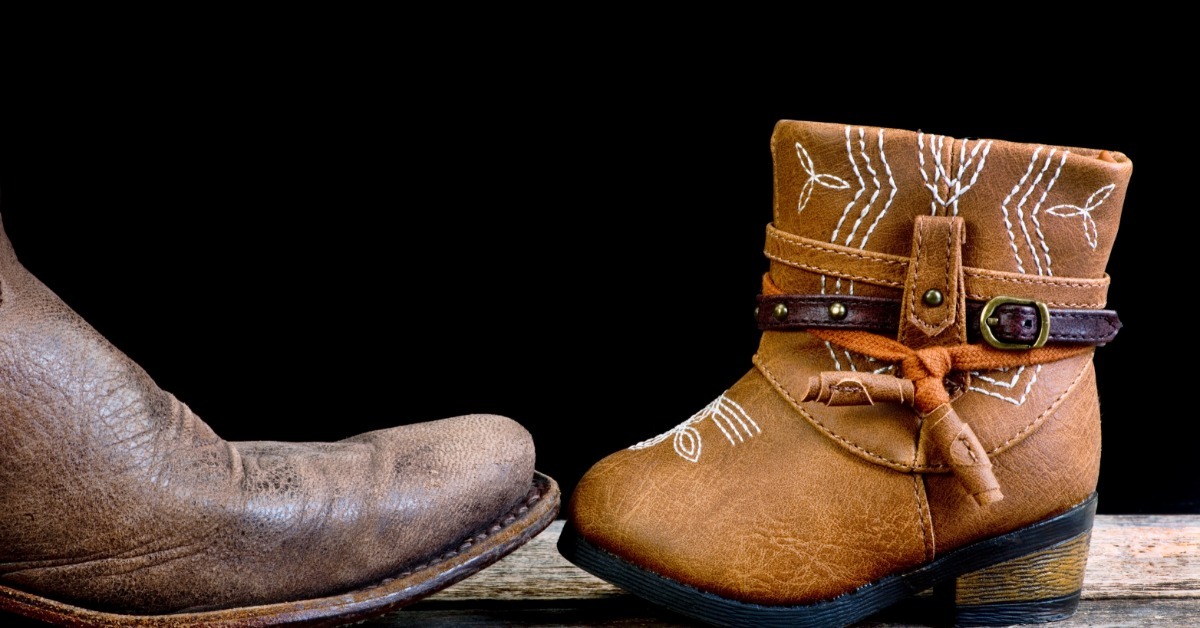
So which one belongs on your toddler’s feet? There isn’t one answer that fits every child.
Your decision comes down to what you need from the boots and how each material lines up with those needs.
Think About How Quickly Their Feet Are Growing
Toddlers move through shoe sizes quickly, and some parents hesitate to spend more on boots that may fit for a short stretch. Synthetic boots make sense when your biggest concern is getting an affordable pair for right now.
Got a younger sibling who may inherit the boots later? Leather becomes easier to justify because the material handles extended wear better. A pair that still has plenty of life left can move on to another child after the original wearer outgrows it.
Consider How Much Time They Spend in Their Boots
Some toddlers pull on cowboy boots for church or a family outing. Others wear them while following you around outside for hours.
Frequent wear puts more pressure on the upper material as your child bends their foot throughout the day. Leather handles repeated use better and gradually shapes around those movements. Synthetic boots make more sense for lighter wear when you don’t need the same long-term durability.
Look At How Rough Their Days Get
Toddlers aren’t exactly known for protecting their shoes. Boots end up against dirt or rough ground without much warning.
Leather gives you an advantage when your child spends plenty of time outdoors because scuffs become part of the worn surface rather than sitting on top of a manufactured finish. Synthetic material still handles everyday play, but repeated scraping may wear through its outer layer sooner.
Account For the Break-In Period
Does your toddler reject shoes the second they seem too rigid? Starting comfort deserves extra attention when you compare materials.
Synthetic uppers tend to bend more easily from the first wear. Full leather may need several outings before it loosens around your child’s movement. Parents willing to work through that break-in period get a boot that becomes more flexible with use.
Keep Your Budget in Mind
Price may settle the decision before any other factor does. Spending more on leather makes sense when your child will wear the boots frequently or when you plan to pass them down.
Synthetic footwear gives you a lower-cost option when you mainly need boots for occasional wear. You’re still getting the western look without paying for durability your toddler may outgrow before using.
The Right Pair for Your Little One
Should you go with leather or synthetic boots for a toddler? It really comes down to factors like how often they'll wear them and how fast their feet are growing. There's no one-size-fits-all answer; each material brings something different depending on your situation.
At Eli's Western Wear, we sell both leather and synthetic toddler cowboy boots from top brands. Shop our selection and find your little one a pair they'll want to wear day in and day out!