 US Dollars

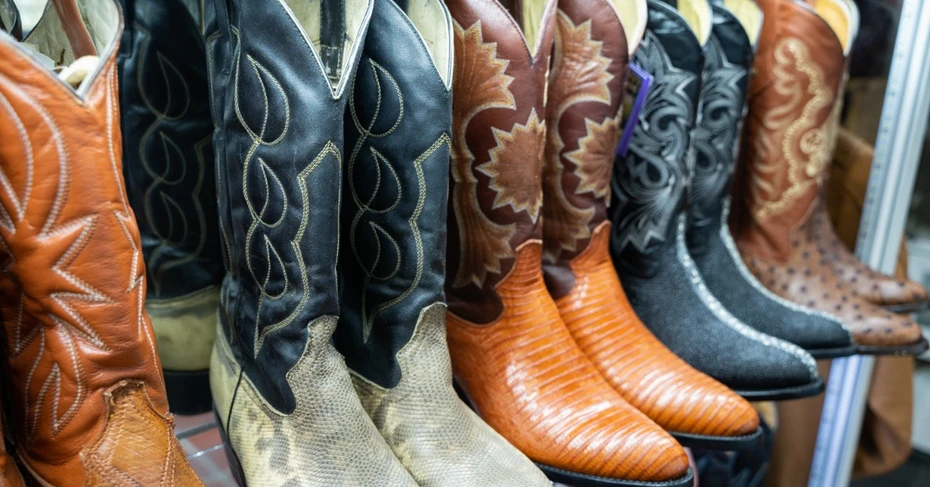
Exotic leather cowboy boots have a distinct charm to them. They age in ways standard cowhide simply doesn't, developing a patina that's specific to the animal the leather came from. They carry a reputation that precedes them in any room.
But you're on the fence about investing in a pair, because while you've heard a lot of praise about them, you've also heard some concerns. To help you weigh if exotic leather cowboy boots are the right call for you, here's an honest look at some common pros and cons and how serious those drawbacks really are.
Pro: The Look Is Unlike Anything Else
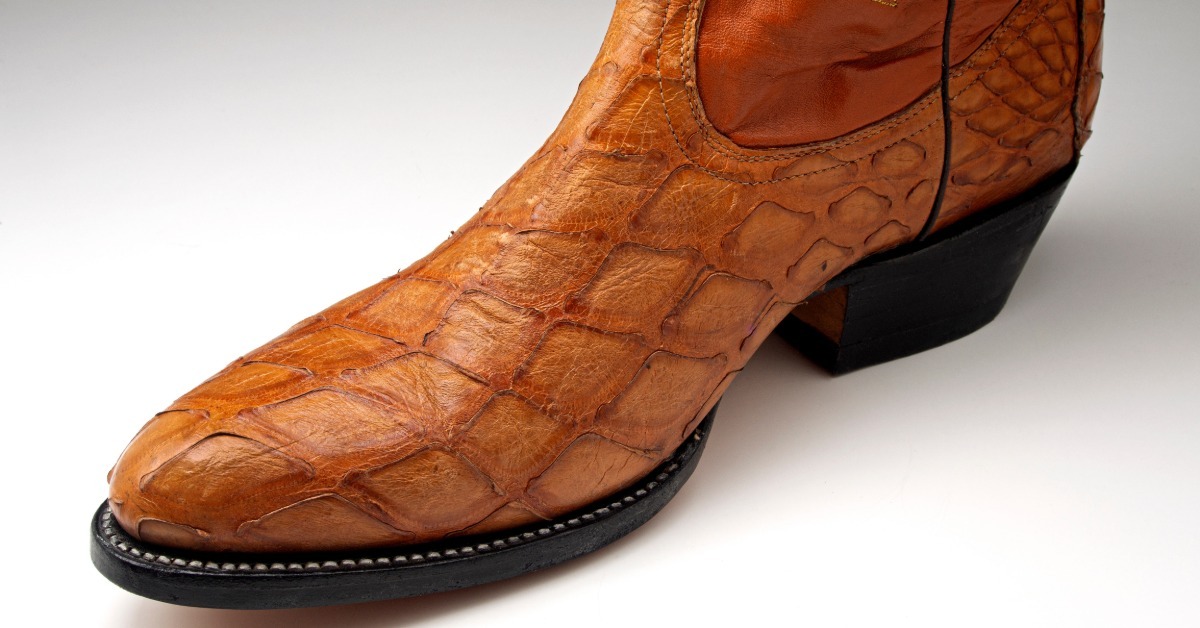
There's a reason exotic leather boots get noticed. Ostrich, caiman, python, stingray—each one has a texture, pattern, and finish that cowhide can't replicate. Ostrich gives you those distinctive quill bumps across the foot. Caiman skin holds a scaly, almost sculptural texture that runs across the toe. That visual depth is built into the hide itself, not printed or embossed on top. If you want a boot that holds its own without any extra accessories, exotic leather delivers that naturally.
Cons: The Price Tag Is a Real Commitment
Exotic leather boots cost more than standard cowhide, and you’ll see that difference right away when you compare prices. A quality pair of caiman or ostrich boots can run anywhere from several hundred to well over a thousand dollars depending on the hide and the maker.
The higher price reflects the rarity of the material, the difficulty of the tanning process, and the craftsmanship required to work with hides that are less forgiving than cowhide. If budget is a firm line for you, that's something to sit with before you decide.
Pro: Exotic Leather Holds Up for Years
One of the bigger advantages here is longevity. Exotic hides are dense by nature, and when they're well-tanned, they resist cracking and wear in ways that cheaper leather doesn't. Ostrich leather, in particular, is known for being supple even after heavy use because the natural oils in the hide don't dry out as quickly. A cared-for pair of exotic boots can last decades.
Cons: Care Requirements Are More Specific
You can't treat exotic leather the same way you'd treat a standard cowhide boot. Each hide has its own conditioning needs, and using the wrong product can strip the natural oils, dull the finish, or cause the surface to crack prematurely.
Stingray leather, for example, is durable but needs specific conditioners that won't damage the denticles across the surface. Caiman requires careful storage to keep the scales from curling at the edges. None of this is complicated, but it does take more attention than pulling out an all-purpose boot polish.
Pro: The Comfort Level Surprised a Lot of Buyers
Exotic leather boots get a reputation for being more about looks than feel, but that isn't accurate across the board. Ostrich leather is noticeably soft and tends to break in faster than stiff cowhide. Because the hide is naturally pliable, the boot conforms to your foot without the long, painful break-in period some leather boots require. That softness doesn't come at the cost of structure either—a well-constructed boot still holds its shape through the shaft and toe.
Cons: Some Hides Come with Ethical Questions
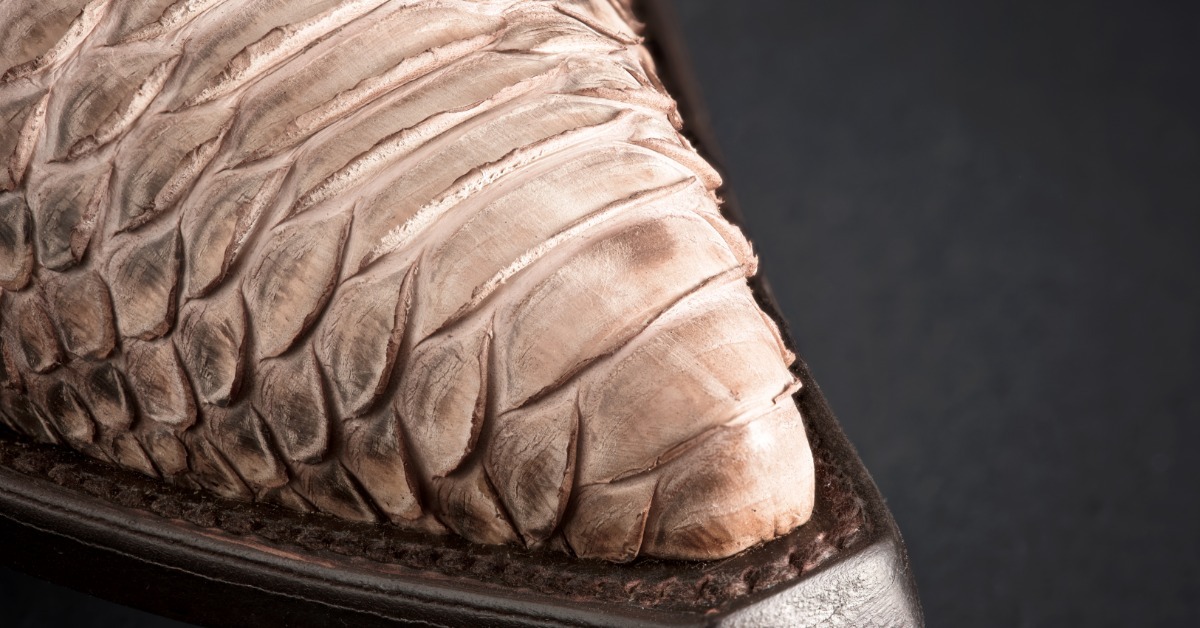
Not everyone is comfortable with every exotic leather source. Certain reptile skins carry more complicated sourcing histories than others. Regulated species, farming practices, and country of origin all factor into where the leather comes from and under what conditions. If sourcing transparency is something you care about, it's worth asking the retailer where their hides come from before you buy. Reputable makers can trace their materials, so don't hesitate to ask the question.
Pro: Exotic Leather Develops a Patina Over Time
Unlike synthetic materials or low-grade leather, exotic hides develop character as they age. The natural oils in the skin interact with light, air, and use in ways that deepen the color and texture over time. An ostrich boot that's been worn and conditioned for five years looks richer than it did on day one.
That aging process is part of what makes exotic leather desirable to collectors and serious boot wearers. The boot you buy today won't look exactly like the boot you'll have in ten years, and for most people, that's a positive.
Cons: Availability and Sizing Can Be Trickier
Exotic leather boots aren't as easy to find as cowhide styles. Smaller sizes, wider widths, and certain toe shapes may not be stocked in every exotic hide. If you have a specific fit requirement, you may need to order through a retailer with a broader inventory or wait on a custom order. That's not a dealbreaker, but it does add time to the buying process. Online retailers with a wide selection cut that wait down considerably compared to shopping a limited in-store rack.
Pro: The Resale Value Stays Relatively Strong
A quality pair of exotic leather boots holds its value better than most footwear. If you buy a well-made pair, keep them conditioned, and store them properly, they can be resold at a reasonable price years down the road.
Some hides, like genuine caiman or python from reputable makers, appreciate in the resale market simply because the supply of quality pairs is limited. For a purchase in this price range, that retained value is a reasonable thing to factor in.
Cons: Not Every Setting Calls for Them
Exotic leather boots are striking, and that's exactly the point, but that visibility isn't always what you want. If you're working in conditions where the boots will take a beating from mud, heavy machinery, or rough terrain daily, exotic leather may not be the best use of your money.
These boots perform best when the wear is moderate. They're built to last, but sustained abuse in harsh conditions will age them faster than regular use. For everyday ranch work that's hard on footwear, a tougher workhorse boot may serve you better day to day.
Pro: The Right Pair Becomes a Staple
When the fit and the hide are right, an exotic leather boot becomes something you reach for constantly. The combination of durability, look, and how the leather softens to your foot over time makes them hard to replace once you've worn a quality pair. That's the part that surprises most first-time buyers—they expected a show boot and ended up with an everyday favorite.
Before You Pull the Trigger
Like all things, exotic leather cowboy boots for men have both pros and cons. For most, the pros will outweigh the cons, but if care requirements, price, or ethical sourcing matter to you, you may prefer a more traditional kind of leather boot instead.
At Eli's Western Wear, we sell cowboy boots for men in all kinds of styles. Want something exotic? We've got it. Prefer a classic cowhide with a pull-on fit? We've got that, too. Shop our boot collection and pick out a new pair for the shoe rack.