 US Dollars

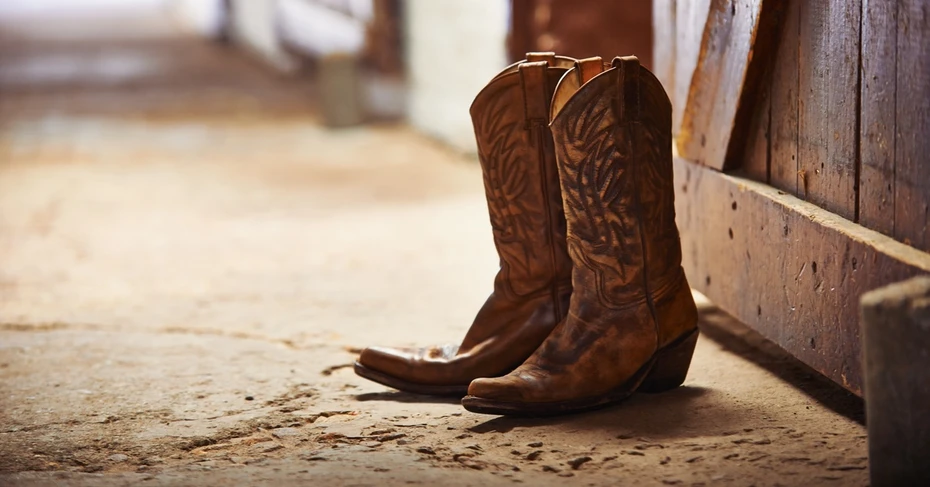
Cowboy boots have come a long way from their traditional designs, and one of the biggest changes involves what's underneath them. While leather soles have a long history in Western footwear, rubber soles have gained popularity among people who want something different for everyday use.
Understanding the pros and cons of rubber soles on cowboy boots gives you a better idea of what to expect before purchasing your next pair. Both materials have their strengths, and your footwear preferences will influence which one you enjoy wearing. Let's look at the advantages and disadvantages of rubber soles so you can decide what belongs in your boot collection.
Pro: Better Traction on Slippery Surfaces
Traditional leather soles have smooth undersides that offer limited traction on slippery surfaces. Rubber soles provide more friction against the ground, giving you a firmer grip when walking across smooth flooring or damp pavement.
The amount of traction depends on the sole's tread pattern. Rubber with deeper grooves creates additional edges that grip uneven surfaces, while flatter designs maintain more contact with smooth ground.
If you're wearing cowboy boots throughout an ordinary day, the extra traction is a welcome advantage. You'll have more grip when moving between different surfaces.
Con: Less Suitable for Traditional Horseback Riding
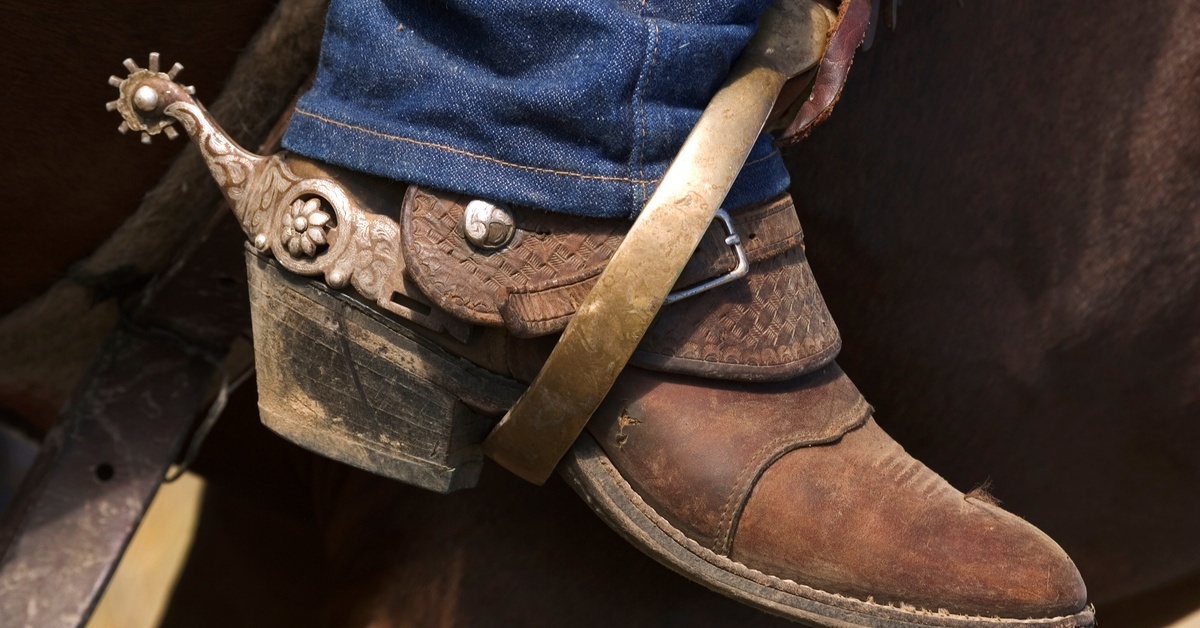
Cowboy boots were originally designed with horseback riding in mind, and their smooth leather soles have an important purpose. They slide through stirrups with relatively little resistance, allowing riders to release their feet when dismounting or during an emergency.
Some rubber soles create too much friction against the stirrup, particularly when they have deep, aggressive treads. The extra grip becomes dangerous if a rider falls and their foot remains trapped.
You don't have to avoid rubber entirely if you ride horses. Manufacturers make riding boots with smoother rubber outsoles, but you'll want to verify that the specific design is suitable for your stirrups before heading out.
Pro: More Cushioning Underfoot
Spending hours walking or standing in cowboy boots puts repeated pressure on your feet. Rubber soles made with cushioning compounds absorb some of that impact by compressing slightly when your foot contacts the ground.
The difference is most apparent on hard surfaces, where the ground doesn't absorb much of the force from your steps. A cushioned rubber outsole softens that contact, making lengthy periods on your feet more pleasant.
Of course, the outsole isn't the only component responsible for comfort. The boot's insole and overall construction contribute to how it wears. Rubber provides an additional opportunity for cushioning that traditional hard leather soles don't offer to the same degree.
Con: Limited Resoling Options on Certain Boots
A quality pair of cowboy boots can last for years, and replacing worn soles extends their usable life. Traditional leather-soled boots frequently have construction that permits a cobbler to remove the damaged outsole and attach a replacement.
Some rubber-soled boots use molded construction or permanent adhesives that complicate this process. When the outsole wears down, replacing it may prove difficult or cost nearly as much as purchasing another pair.
Fortunately, rubber doesn't prevent resoling by itself. Boots with certain welted constructions accommodate replacement rubber soles without major complications. If you intend to keep your cowboy boots for the long haul, check whether their construction permits future sole replacement before buying.
Pro: Greater Resistance to Water Damage
Leather soles absorb moisture from wet ground, and repeated exposure can damage the material over time. When leather becomes saturated and subsequently dries, it may stiffen or develop cracks that shorten its lifespan.
Rubber doesn't absorb water in the same manner, making it more resistant to damage from damp conditions. You can walk across wet pavement without exposing the outsole material to the same moisture-related problems that affect leather.
The advantage applies specifically to the sole, though. Water can still enter through the boot's upper or seams if those components aren't waterproof.
Con: A Different Appearance From Traditional Leather
The sole contributes to the appearance of cowboy boots, even though it sits underneath the footwear. Traditional leather soles have a slim profile that complements the shape of classic Western boot designs.
Rubber soles sometimes create a bulkier appearance, particularly when manufacturers incorporate thick material or pronounced tread patterns. The additional thickness changes the proportions of the boot and gives it a more work-oriented appearance.
That difference becomes important when you're shopping for dressier cowboy boots. A substantial rubber outsole may look out of place with the traditional silhouette you prefer. Fortunately, slimmer rubber designs preserve much of that classic appearance, so you don't have to sacrifice your preferred style entirely.
Pro: Less Maintenance for Everyday Wear
Leather soles require some maintenance to preserve their condition, particularly when you regularly expose them to moisture. Proper drying and occasional conditioning protect the material from deterioration.
Rubber soles have simpler upkeep requirements because they don't need leather-conditioning products. Most everyday dirt comes off with a damp cloth, while a soft brush removes debris from textured tread patterns.
You should still inspect the soles for excessive wear, since rubber gradually deteriorates through use. Deep grooves also collect dirt that needs occasional removal. Even with those basic tasks, rubber demands relatively little maintenance compared with traditional leather.
Con: Less Freedom of Movement on Dance Floors
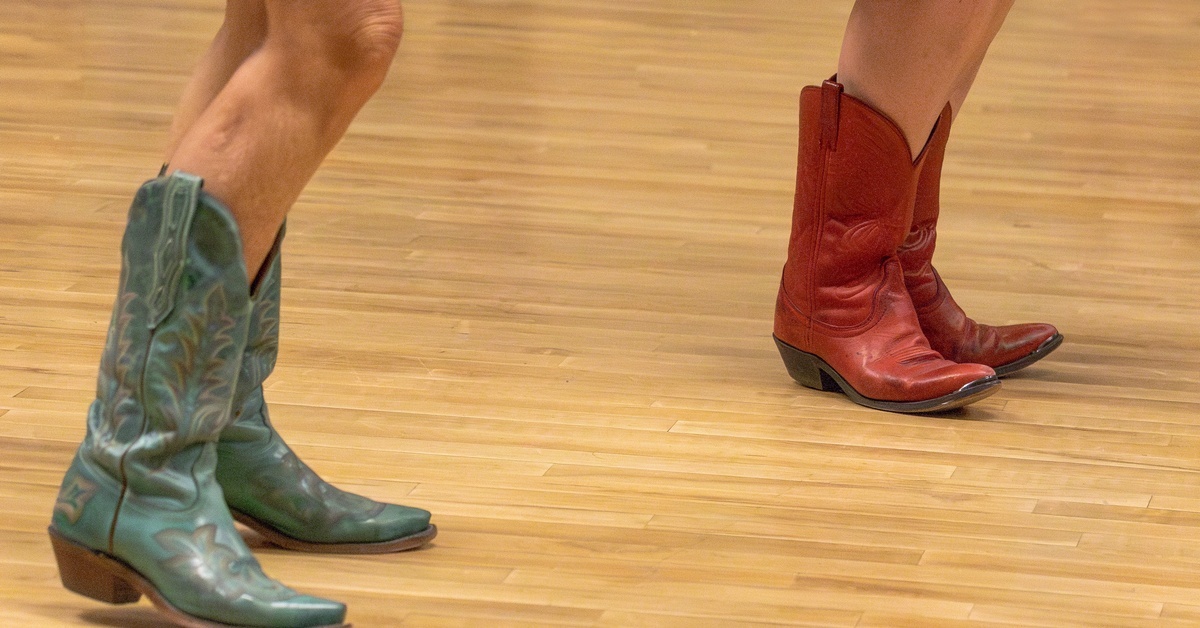
Leather-soled cowboy boots remain popular for Western dancing because their smooth undersides slide across dance floors with relatively little resistance. That movement is helpful for turns and other techniques that involve rotating your feet against the floor.
Rubber soles produce greater friction, which makes those movements more difficult. When your foot grips the floor during a turn, the added resistance can place unwanted twisting pressure on your knees.
The amount of grip depends on the rubber compound and tread design, but traditional leather remains a popular option for dancing. If you regularly spend your evenings on the dance floor, think about how the sole will affect your movement before choosing a pair.
Find Your Next Pair of Cowboy Boots at Eli's Western Wear
Rubber and leather soles each have advantages, so choosing between them depends on how you plan to wear your cowboy boots. Understanding the pros and cons of rubber soles can help you decide which material suits your needs.
At Eli's Western Wear, we know that the right pair of cowboy boots should match your personal preferences and how you spend your time. Whether you're interested in a traditional design or something suited to everyday wear, we're here to help you find footwear you'll enjoy putting on.
Browse our selection at Eli's Western Wear, your online western wear store, and find your next pair of cowboy boots.