 US Dollars

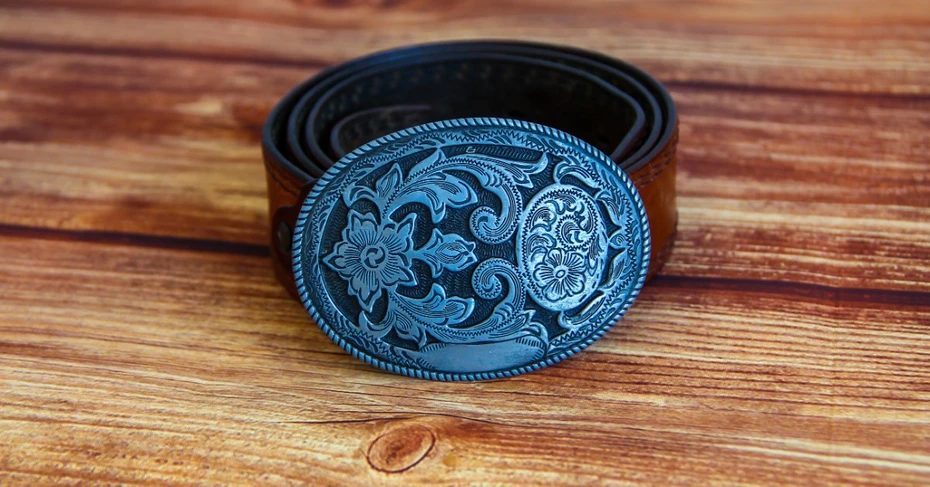
A kids' belt needs to be able to take a lot of wear! Children are constantly on the move, and this puts repeated strain on the belt around their waist. A poorly made belt can quickly split where it bends, leaving you shopping for a replacement sooner than expected.
A well-made kids' belt should hold up through daily use while fitting comfortably around your child’s waist. Here are some of the ways its construction should support that job, along with details you can check before buying.
A Strap That Resists Splitting
The strap bends every time your child puts the belt on or takes it off. It needs enough strength to tolerate that repeated movement without breaking at the buckle. You shouldn’t see cracks opening across the surface when the material curves.
With leather, ordinary creases aren’t the same as splitting. A crease follows the bend without exposing a break in the material. On belts made from multiple layers, those layers should remain joined at the bend instead of peeling apart and exposing the inside of the strap.
Smooth, Finished Edges
The long edges of a belt pass through clothing loops every time your child gets dressed. A smooth finish allows the strap to slide through without rough fibers catching on the fabric. You can check the finish by running a fingertip along either side.
The treatment varies with the material, but the result should stay consistent around the entire belt. An edge coating shouldn’t have brittle patches that flake when the strap bends. Likewise, an uncoated leather edge shouldn’t have ragged sections that shed fibers with ordinary handling.
Stitching That Holds Together
On a stitched belt, the thread should lie snugly against the material. Loose loops leave thread exposed to snagging, while overly tight stitches pull the surface into puckers. Even tension keeps the seam secure without distorting the strap.
The stitches need enough material beside them to hold under pressure. A seam running right along a thin, ragged edge has little support when your child pulls the belt tight. You should see a consistent margin between the stitching and the edge, with no places where the thread has already torn through.
Holes That Keep Their Shape
The buckle pin pulls against the same hole throughout the day. That opening needs to hold its shape under tension, or the belt gradually gets looser despite staying on the same setting. A new belt should have evenly cut holes with intact material around them.
Small marks from the buckle are normal after use. A hole stretching into a slit is another issue because the pin has begun pulling through the strap. The material surrounding the opening should resist that stretching instead of tearing each time your child fastens the belt.
A Buckle That Stays Secure
A buckle should close properly without your child having to position it just right. On a pin buckle, the pin needs to pass through the selected hole and rest against the frame. It shouldn’t slip past the frame when the strap pulls against it.
The buckle’s connection to the belt needs to hold just as firmly. If the design uses snaps for buckle changes, each snap should close completely and remain shut during wear. A connection that pops open when your child tightens the belt needs fixing before use.
Adjustment Room for Growth
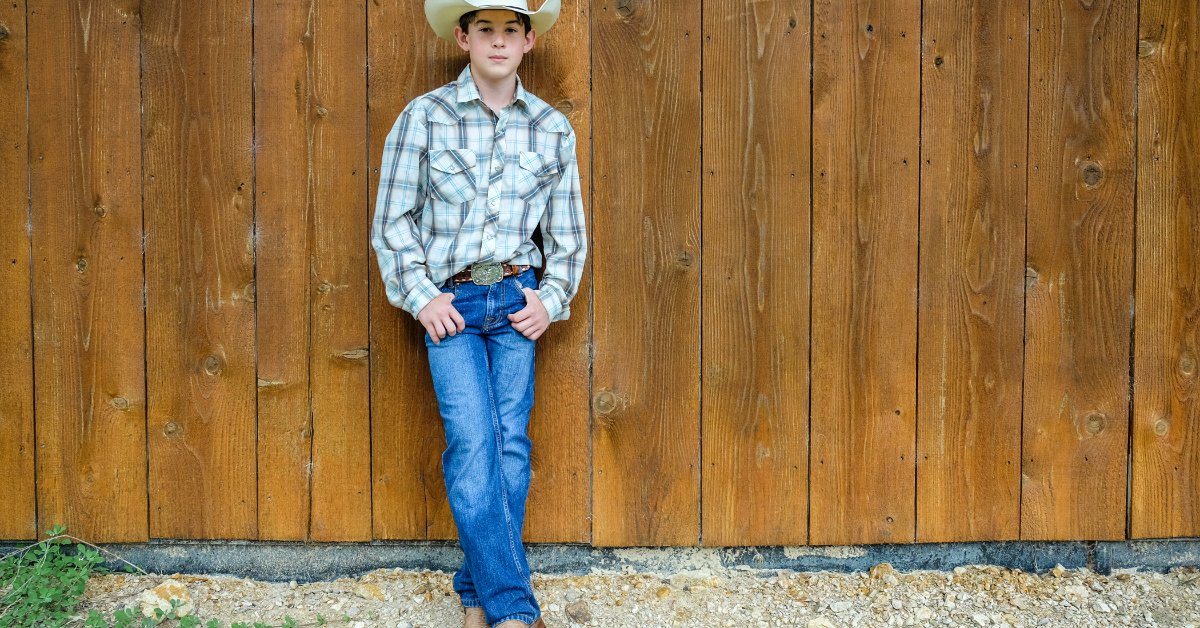
Your child’s belt should have a few unused holes beyond the one they wear now. As their waist grows, you can loosen the belt one hole at a time instead of replacing it immediately.
The spacing between those holes affects how comfortably you can adjust the fit. Widely spaced holes can leave one setting too tight and the next too loose. Smaller gaps allow more gradual adjustments, giving your child room when they need it without leaving their pants slipping down.
A Width That Fits Belt Loops
A kids’ belt needs to fit the clothing your child actually wears. If the strap is wider than the openings in their pants, they’ll have to fold or squeeze it through. Repeating that struggle every morning gets old quickly.
You can compare the product’s listed width with the loops on a pair of their jeans. The opening needs a little room beyond the strap’s width to allow it to pass through. Decoration adds bulk, too, so the widest part of the finished belt needs to fit through those openings.
Enough Flexibility for Comfort
A comfortable belt curves around your child’s waist instead of resisting the shape of their body. Excessive stiffness becomes more obvious when they sit down and the belt presses into their stomach. The right length won’t compensate for a strap that’s too rigid.
Some leather softens with wear, but your child shouldn’t need to tolerate discomfort while that happens. A new belt should bend enough for ordinary movement from the beginning. When trying it on, sitting down gives your child a better test of comfort than standing still in front of a mirror.
A Keeper That Holds the End
The keeper is the small loop beside the buckle that holds down the belt’s loose end. Its opening needs to accommodate the full thickness of the strap, including decoration. Your child should be able to thread the end through with their fingers instead of forcing it into a tight opening.
Repeated use shouldn’t stretch the keeper out of shape. A loop that becomes too loose lets the end slip free, leaving your child to thread it back through throughout the day.
Decoration That Stays Attached
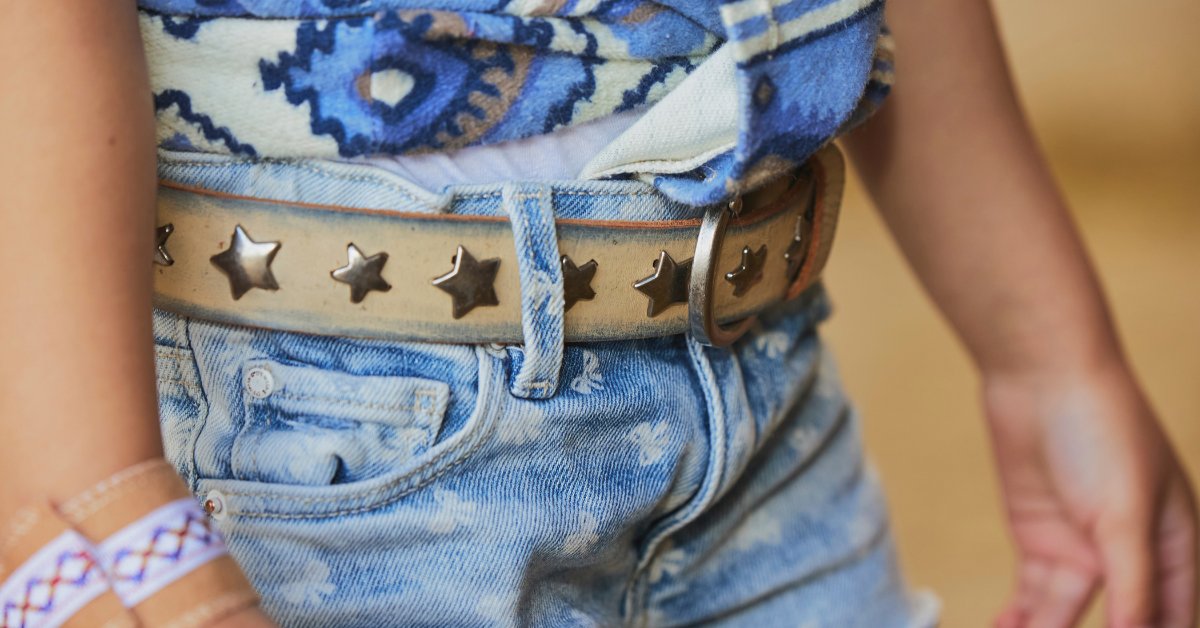
A decorated belt should hold up to the same daily use as a plain one. Your child shouldn’t start losing accents after wearing it a handful of times. The maker needs to secure each decorative piece to withstand the repeated bending that comes with putting the belt on.
You can check for loose decorations by lightly touching them while the strap curves. If an accent moves under your fingertip, its attachment isn’t holding it securely. That’s a flaw you shouldn’t have to fix on a new belt.
A Belt Ready for Your Child’s Day
What can you expect from a well-made kids' belt? A secure fit that lets your child move comfortably throughout the day. You shouldn’t have to replace it after a few wears or keep adjusting it every time your child gets up to play.
At Eli’s Western Wear, we sell high-quality kids' western belts made to hold up to everyday wear. Shop a selection of western styles to find a design your child wants to wear.